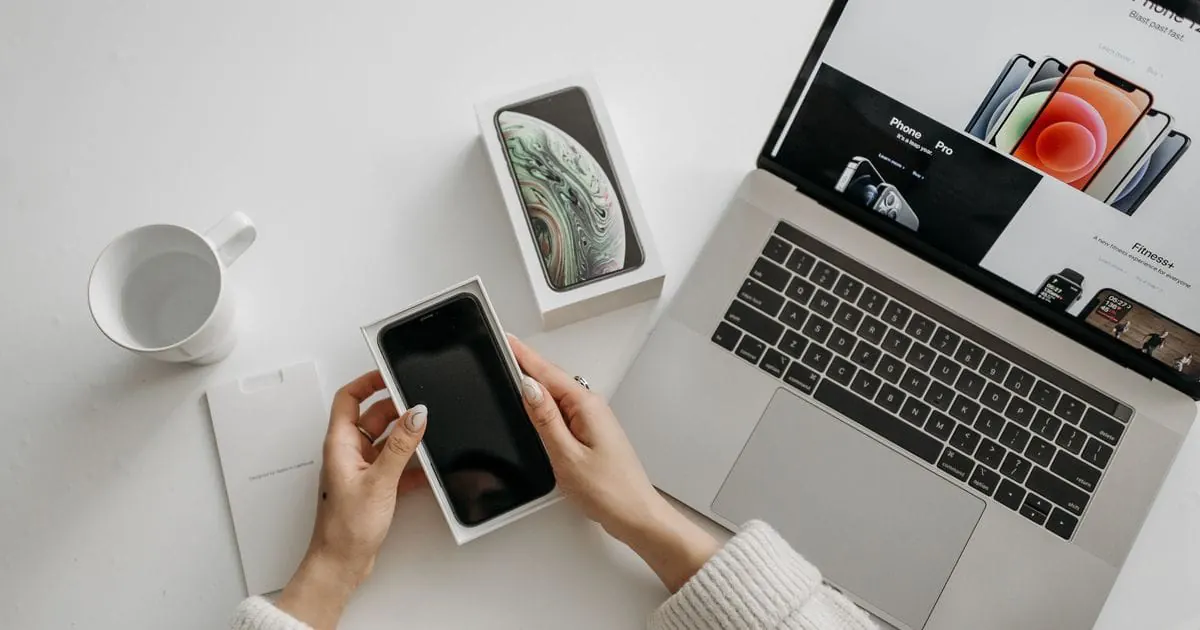
Buying sustainable tech mainly means keeping devices in use for as long as possible. In most cases, used electronics are the greener choice, because a large share of a smartphone's carbon footprint is created during manufacturing. To reduce e-waste, follow this order: use devices for longer, repair them, buy used, pass old devices on and only recycle them properly at the very end.
Why is used tech more sustainable than new?
For smartphones, tablets and laptops, a large share of the carbon footprint is created before you switch the device on for the first time. Chips, displays and batteries need metals such as copper, gold, cobalt and rare earths, and mining and processing them takes a lot of energy; charging your device every day matters far less by comparison. Every extra year of use spreads that footprint over a longer lifetime, and a used smartphone causes no new production.
How big is the e-waste problem?
According to the Global E-waste Monitor 2024 by ITU and UNITAR, two United Nations organisations, the world generated 62 million tonnes of e-waste in 2022. Only 22.3 per cent of it was documented as formally collected and recycled, and the authors expect 82 million tonnes a year by 2030. Whatever isn't recycled often ends up in general waste or gathers dust in drawers: raw materials are lost, and harmful substances from batteries can leak into the environment. Recycling alone can't solve the problem; the biggest gain comes from stopping devices from becoming waste too early.
What does the EU ecodesign regulation change?
Since 20 June 2025, EU ecodesign rules have applied to new smartphones and tablets. Among other things, they require manufacturers to provide:
- more robust devices and longer-lasting batteries,
- spare parts that remain available for many years after a model is no longer sold,
- software updates over a longer period than has been usual so far,
- better access to repair information.
An EU energy label also shows how easy the devices are to repair. The rules apply to devices placed on the EU market from that date, not retroactively to devices sold before. This is general information, not legal advice.
New, refurbished or used: which is the most sustainable?
| Criterion | New device | Refurbished from a retailer | Used from a private seller |
|---|---|---|---|
| New production footprint | Yes, in full | No | No |
| Technical check | At the factory | Yes, before sale | Usually none |
| Price | Highest | Much cheaper than new | Often the cheapest |
| Risk of hidden defects | Low | Low | Higher |
In environmental terms, refurbished and privately sold used devices are on a par, because neither requires new production. The difference is peace of mind: a tested device is more likely to be used for a long time, and that is what counts. Our guide to refurbished vs used explains the terms.
How can you make your devices last longer?
- Look after the battery: avoid prolonged heat, for example in a parked car, and use battery-friendly charging.
- Protect the device: a case and a screen protector cost little and prevent a lot of drop and scratch damage.
- Keep the software up to date: install security updates for as long as your device receives them.
- Repair instead of replacing: a new battery or screen is often much cheaper than a new device.
What should you do with old devices?
If your old phone still works, passing it on is the most sustainable option, whether you sell it, give it away or donate it. First back up your data, sign out of your Apple Account or Google account, reset the device to factory settings and remove the SIM and memory cards. If it's truly broken, it doesn't belong in household waste: take it to a local recycling centre, which usually accepts old electrical equipment free of charge, or to a retailer that takes back small devices. If the battery can be removed without tools, take it separately to a battery collection point.
Buying used tech from tested before
At tested before, every used device is tested before it is sold (functions, display, battery, cameras, connectivity) and reset with the previous owner's accounts removed; many have barely been used. You buy on eBay or Vinted with an honest condition grade, real photos and the platform's protection under its terms; our quality page explains how we test. Browse our tested used devices.